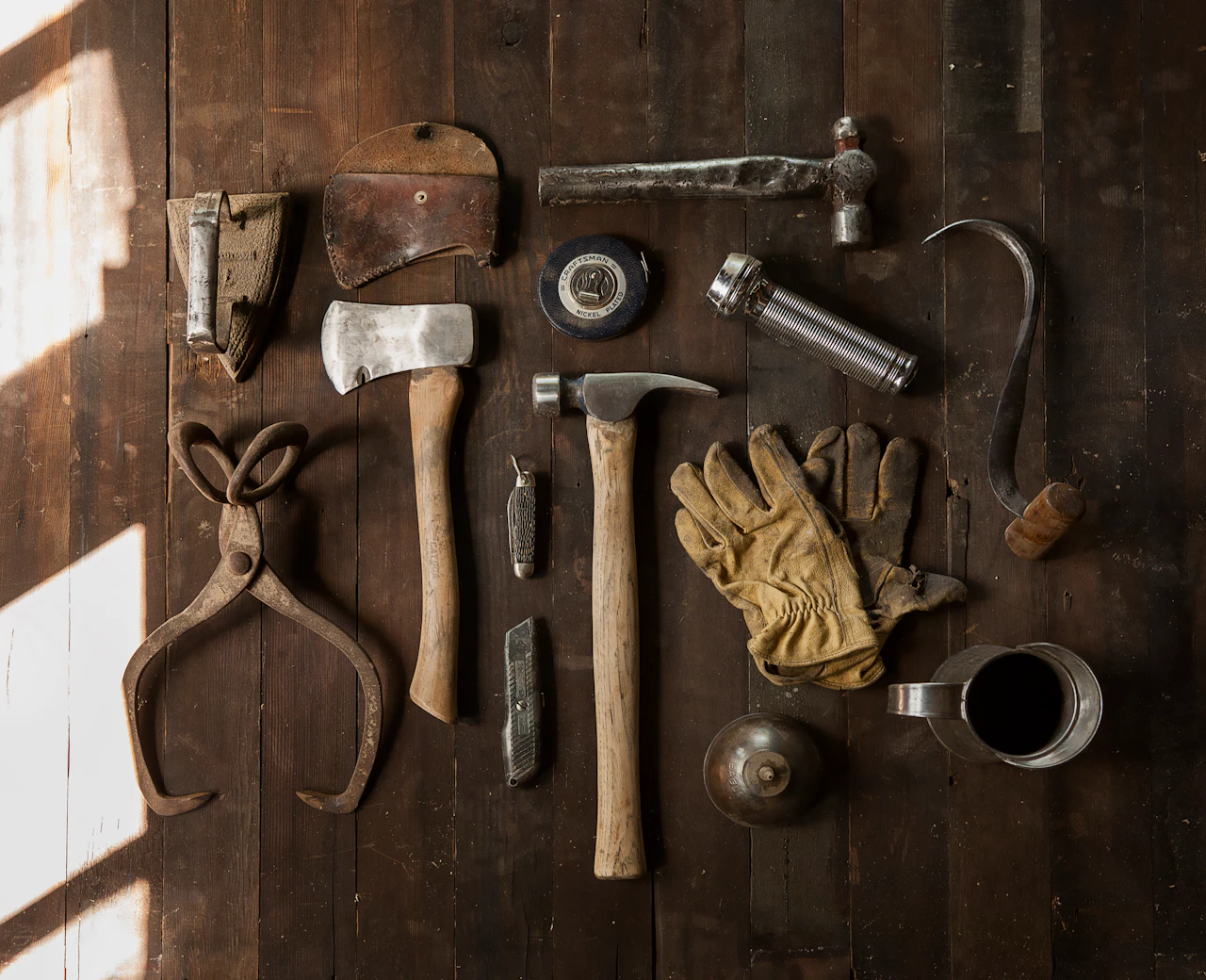
Maintaining your roof is one of the most crucial tasks in homeownership. A durable, well-kept roof not only protects your home from weather and water damage but also enhances your property value and energy efficiency. Homeowners often face challenges such as unexpected leaks, costly repairs, and the confusion of choosing the right maintenance tools and techniques. This definitive guide will walk you through the best roofing tools available and expert maintenance techniques that empower you to confidently undertake DIY roof care or work efficiently alongside contractors.
Understanding the Importance of Roof Maintenance
Why Regular Roof Maintenance Matters
Your roof faces relentless exposure to sun, rain, snow, and wind. Without periodic upkeep, minor issues like cracked shingles or clogged gutters can escalate into major problems such as leaks and structural damage. Proactive maintenance extends the lifespan of your roof by years, saving you significant replacement costs and headaches.
Common Roofing Problems Homeowners Should Watch For
Key warning signs include damaged or missing shingles, moss or algae growth, water stains on ceilings, and granule loss on shingles. Spotting these early requires the right inspector tools which we'll cover later, helping you catch issues before they worsen.
Integrating Roof Care Into Your Home Improvement Routine
Roof upkeep should be part of a holistic homeowner resource plan alongside insulation, ventilation, and foundation checks. Coordinating these maintenance tasks optimizes your home's durability and energy efficiency year-round.
Essential Roofing Tools Every Homeowner Needs
Inspection Tools
Regular roof inspections are the cornerstone of maintenance. Equip yourself with a quality telescoping roof ladder and safety harness for physical inspections. For non-invasive checks, digital infrared thermometers and drone cameras provide detailed roofing condition data from a safe distance.
For more on safe inspection gear, see our comprehensive roof installation safety guide.
Cleaning and Debris Removal Tools
Leaves, branches, and dirt clog gutters and trap moisture, leading to damage. Use sturdy gutter scoops, leaf blowers with roof-safe attachments, and extension poles with brushes for efficient debris removal. Avoid wire brushes that can damage shingles.
Repair and Maintenance Kits
Basic repair toolkits should include roofing nails, a hammer with a magnetic nail starter, a utility knife with roofing blades, roofing cement, and sealant. Nail guns can speed up work but require familiarity and caution. Also, invest in shingle cutters and a pry bar for shingle replacement.
Expert-Recommended Maintenance Techniques
Seasonal Roof Inspections and Cleaning
Conduct thorough inspections twice a year—preferably spring and fall—to identify emerging problems. Remove debris promptly and clear gutters and downspouts. For detailed walkthroughs, our guide on seasonal roof maintenance provides step-by-step instructions.
Shingle and Flashing Repairs
Damaged or missing shingles should be replaced immediately to prevent leaks. Apply roofing cement to seal cracked shingles and inspect flashing around chimneys and vents for rust or detachment. Proper flashing maintenance is critical for water tightness.
Addressing Moss, Algae, and Mold Growth
Moss and algae retain moisture, accelerating roof degradation. Use commercially available moss killers safe for roofing materials, combined with gentle scrubbing using soft-bristle brushes. Avoid power washing which can strip protective granules.
Advanced Tools for Thorough Roof Inspections
Thermal Imaging Cameras
Thermal cameras detect temperature variations indicating moisture intrusion or insulation gaps. These non-destructive tools give homeowners an expert-level look at hidden roof problems before visible damage occurs.
Drone Roof Inspections
Drones offer a high-resolution vantage without the risks of climbing. Equipped with HD cameras and even infrared sensors, drones can survey hard-to-reach areas and document roof conditions digitally for analysis and record-keeping.
Roof Moisture Meters
Pin and pinless moisture meters help detect trapped moisture within roofing layers, key for diagnosing leaks early. Paired with infrared thermography, these meters form a powerful diagnostic toolkit for comprehensive roof health assessment.
DIY Roof Care: Safety First
Personal Protective Equipment (PPE)
Always wear appropriate PPE: non-slip footwear, gloves, eye protection, and a properly rated safety harness. Awareness of weather conditions is essential; avoid roof work in wet or windy weather.
Safe Climbing and Movement Techniques
Use a stable ladder, secure roof anchors for harness attachment, and move slowly to prevent slips. Never work alone—always have a helper present for emergencies. Our detailed DIY roof safety tutorials provide expert guidance.
Proper Tool Use and Storage
Keep tools secured and organized to avoid accidents or damage to the roof surface. Use tool belts or magnetic trays and never leave tools unattended on the roof, where they can fall to cause injury or damage.
Cost-Effective Tool Selection: Balancing Price and Performance
Investing smartly in roofing tools pays dividends in durability and efficiency. The following table compares popular tools across key attributes to help you decide:
| Tool | Price Range | Best For | Ease of Use | Durability |
|---|---|---|---|---|
| Telescoping Roof Ladder | $$$ | Physical Access & Inspection | Medium | High |
| Roofing Hammer with Magnetic Starter | $ | Basic Repairs & Nailing | High | Medium |
| Infrared Thermal Camera | $$$$ | Non-Invasive Inspection | Medium | High |
| Leaf Blower with Roof Attachments | $$ | Debris Removal | High | Medium |
| Drone with HD and Infrared Camera | $$$$ | Remote Roof Survey | Medium | High |
Pro Tip: Investing in multi-functional tools like a drone with infrared capability can replace several single-purpose tools, saving both time and money in your long-term roof upkeep.
When to Call a Professional: Using Tools to Communicate and Collaborate
While many maintenance tasks can be DIY, complex issues such as structural damage or extensive leaks warrant professional intervention. Using your inspection tools to document problems accurately prepares you to discuss issues clearly with roofing contractors. Explore our directory to find verified professionals in your area who respect thorough DIY assessments: trusted roofing contractors.
Maintaining Tool Longevity and Performance
Regular Cleaning and Calibration
Keep tools clean and dry after each use. Precision tools like moisture meters and thermal cameras may require periodic calibration to maintain accuracy, ensuring your diagnoses stay reliable over time.
Safe Storage Solutions
Store tools in a dry, secure place. Use protective cases for delicate devices and rust prevention sprays for metal tools. Organized storage extends tool life and helps keep your roofing projects efficient.
Upgrading Tools as Needed
As your skills and roofing needs evolve, gradually upgrade your toolkit to include advanced technologies. Stay informed on the latest innovations by following product catalog updates, such as our roofing tools catalog, ensuring you always have the best resources.
Summary: Empowered Roof Care Starts with the Right Tools and Techniques
Maximizing your roof’s lifespan demands a blend of the proper tools, safe methods, and regular attention. Combining trusted maintenance techniques with inspection technologies lets homeowners effectively protect their investment and home comfort. From beginner-friendly manual tools to advanced drones and thermal cameras, the right equipment turns roof upkeep from a chore into a manageable home improvement task with lasting benefits.
For a broader perspective on selecting and using roofing tools, also visit our complete tool guide for roof maintenance and learn how to align your roof care with seasonal roof upkeep strategies.
Frequently Asked Questions
1. How often should I inspect my roof?
Inspect your roof at least twice a year, ideally in spring and fall, and after any severe weather events to catch potential damage early.
2. Can I use a regular ladder for roof inspections?
While regular ladders can be used, a telescoping roof ladder designed for roofing inspections provides safer and more effective access.
3. What tools are best for removing moss safely?
Use soft-bristle brushes combined with commercial moss killers formulated for roofing materials. Avoid power washing or wire brushes.
4. When should I hire a professional instead of DIY?
If you encounter structural issues, extensive leaks, or feel uncomfortable with heights and tools, it’s best to hire a licensed roofing professional.
5. How do I maintain my roofing tools?
Clean and dry tools after use, store in a secure place, and regularly check for calibration on electronic equipment to ensure longevity and accuracy.
Related Reading
- DIY Roof Safety Tutorials - Essential safety protocols and gear for homeowners tackling roof maintenance themselves.
- Trusted Roofing Contractors - Find reliable professionals for complex repairs and roof replacements in your area.
- Seasonal Roof Maintenance Tips - Step-by-step guidance on preparing your roof for weather changes year-round.
- Roofing Tools Catalog - Comprehensive product catalog showcasing the latest and most effective roofing tools.
- Complete Tool Guide for Roof Maintenance - Choose the right tools and accessories tailored for your roofing projects.


